
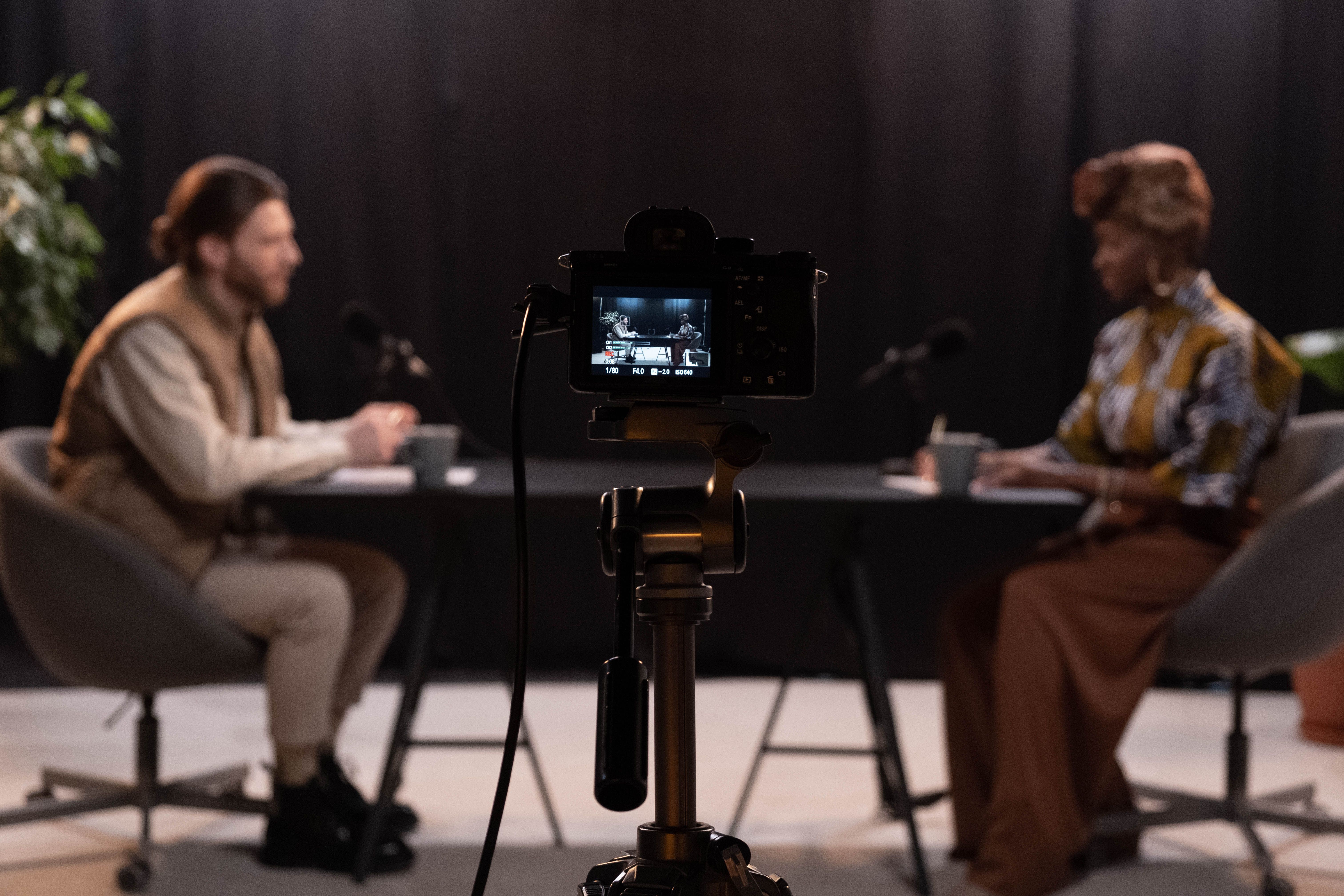
On-camera training shows how leaders handle scrutiny before customers, staff, media or other stakeholders may get to see the weaknesses for themselves. It tests whether they can explain a decision, answer direct questions, acknowledge concern and stay with the organisation’s agreed position. Used well, it gives boards and executive teams evidence about who is ready to speak and what needs to be fixed.
The camera is not the problem. The discipline it imposes is the point. Leaders who sound clear in a meeting can become vague, defensive or over-rehearsed when they must be concise, accurate and calm.
For boards and chief executives, this is a leadership risk as much as a communication risk. Poor delivery can confuse employees, unsettle stakeholders and make a sound decision look poorly governed.
What the camera exposes
Video makes leadership habits visible. It shows who can make a point, who relies on jargon, who avoids the hard sentence and who drifts from the agreed position. These are not cosmetic flaws. They are signs of judgement, preparation and command of the brief.
It also reveals whether leaders understand the audience. Some speak as if they are briefing insiders, not explaining the issue to people who need context and clarity. Others answer the question they wish had been asked, which can look evasive even when the intent is reasonable.
The most useful finding is often structural. A leader may have sound judgement but no clear order of message. Another may have technical authority but struggle to translate detail into plain English. On-camera work identifies those gaps while they can still be corrected privately.
Where leadership weaknesses usually appear
The common problems are predictable. Leaders speak too long, qualify every sentence, repeat internal language or hide behind process. They may overstate certainty, understate concern or fail to acknowledge the practical effect of a decision on people.
Body language matters, but it should not dominate the assessment. A leader does not need to look polished for its own sake. They need to look credible, attentive and in control of the brief. Forced performance can make an otherwise capable executive appear less authentic.
Inconsistency is another warning sign, foe example where one executive gives a clear answer while another introduces a new emphasis, softens the decision or adds unnecessary detail. That gap can quickly become a management problem, especially when teams are looking for direction.
How to fix the issue before it spreads
Start with diagnosis, not coaching by instinct. Review the footage against the actual task: explaining a decision, managing concern, correcting misinformation or sustaining confidence during scrutiny. Different tasks require different fixes.
Separate message problems from delivery problems. If the message is unclear, better eye contact will not solve it. If the leader lacks presence, a sharper script will not be enough. Effective training and capability work should deal with substance first, then delivery.
Keep the fixes practical and limited. Give leaders a clear message structure, useful bridging language, fewer internal terms and better discipline around what they can and cannot say. Rehearse the pressure points, not just the opening statement.
Use the same process to strengthen the team. Leaders should be able to carry a common position without sounding identical. The aim is alignment, not scripted uniformity.
Decide who is ready to speak
The practical output should be a clear view of readiness. Boards and chief executives need to know who can speak now, who needs targeted support and who should not be the first choice for a high-pressure moment. That decision should be based on observed performance, not seniority alone.
Early intervention also gives leaders time to improve without the cost of public exposure. A short review of footage, message discipline and question handling can show whether the issue is confidence, clarity, preparation or judgement. Each requires a different response.
The strongest programs leave the organisation with more than improved presentation skills. They clarify spokesperson roles, expose gaps in preparation and reduce avoidable mistakes before the stakes rise.
What good on-camera leadership training looks like
Leaders can explain the decision in plain English.
Messages are consistent without sounding rehearsed.
Weaknesses are diagnosed from footage, not assumed.
Coaching addresses judgement, structure and delivery.
Executives practise difficult questions early.
The organisation knows who is ready to speak.
Article curated with AI based on a question we wished we had once asked, all reviewed by Bastion Reputation’s specialist team.

